
Micro Laparoscopy(Mini Laparoscopy or Needlescopy)
(A Minimally Invasive Surgical Technique)
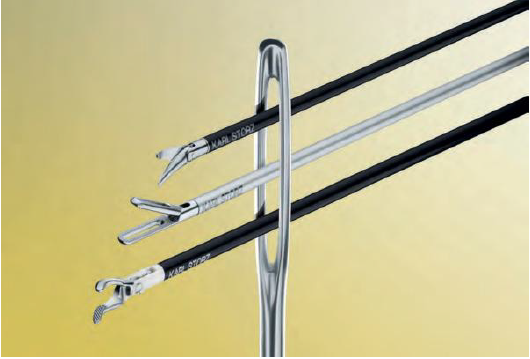
Needlescopy (mini-laparoscopy or microlaparoscopy) represents one of the most refined evolutions in minimally invasive surgery. It further reduces the invasiveness of traditional laparoscopy to another level by using instruments and scopes that are typically 2–3 mm in diameter, roughly the size of a standard hypodermic needle. Patients can expect wonderful cosmetic results as the 3 mm scar is no longer visible just a few weeks after surgery.
The use of mini- or microlaparoscopic instrumentation enables surgeons to address aesthetic concerns and minimizing trauma.
What Is Needlescopy?
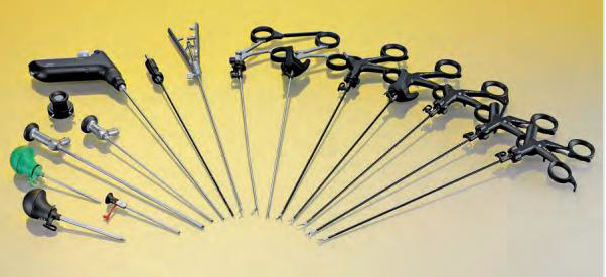
Whereas the traditional laparoscopy uses ports/incisions of 5–12 mm for the procedure, needlescopy can be performed with smaller “needle-like” trocars and instruments (≤3 mm), combined with tiny cameras or needlescopes. The goal is to achieve the same surgical outcomes as larger-port laparoscopy or even open surgery while dramatically reducing:
- Tissue trauma
- Postoperative pain
- Risk of incisional hernias
- Visible scarring (“scarless” results)
- Recovery time
Various surgeries like- Cystectomies, adnexectomies, diagnostic procedures and even total laparoscopic hysterectomies can be performed using needlescopy and the surgeons don’t need to learn any new techniques for the same. These procedures are performed with 2–4 tiny punctures, some so small they require no suture closure.
Laparoscopy has been appealing for its cosmetic benefits as well as reductions in complications and recovery times. Women not only want to resume their normal activities sooner; they also want to take advantage of the smaller incisions that laparoscopy entails, as these incisions do not alter abdominal wall appearance as significantly as do laparotomy incisions.
Key Applications and Procedures
Needlescopy has been documented across multiple surgical specialties:
- Gynecology: Cystectomies, adnexectomies, diagnostic procedures and even total laparoscopic hysterectomies
- General and upper GI surgery — cholecystectomy (gallbladder removal), appendectomy, sleeve gastrectomy for weight loss
- Urology — nephrectomy, adrenalectomy, varicocelectomy
- Thoracic surgery — treatment of primary spontaneous pneumothorax
- Colorectal and abdominal procedures — often in hybrid approaches
- Orthopedics — diagnostic needle arthroscopy (especially knees), using needle-sized cameras inserted with almost no incision
Needlescopy Vs Traditional Laparoscopy
| Aspect | Traditional Laparoscopy | Needlescopic Surgery |
|---|---|---|
| Incision size | 5–12 mm | ≤3 mm (often 2 mm) |
| Postoperative pain | Moderate | Significantly reduced |
| Cosmetic outcome | Small scars | Near-invisible or no sutures |
| Hernia risk | Low but present | Further decreased |
| Recovery time | Days to weeks | Often faster |
| Instrument durability | Standard | More delicate, requires skill |
Studies and clinical reports consistently show comparable operative times and safety profiles once the learning curve is overcome, with superior patient satisfaction due to less pain and better cosmesis.
Challenges and Limitations
- Technical difficulty — Instruments are smaller and more flexible, providing less mechanical leverage and require an experienced surgeon.
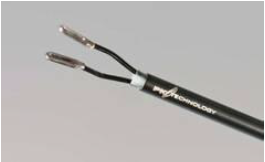
- Instrument availability — Dedicated 2–3 mm graspers, scissors, needle holders, and high-resolution mini-cameras are used.
- Visualization — Early needlescopes had lower image quality, though modern optics have largely solved this.
- A smaller view of the operative field.
- Not suitable for all cases — Complex or emergency procedures with significant inflammation, adhesions, or large specimens may still require larger ports.
The Future
Needlescopy is being seen as a bridge toward virtually “incisionless” surgery. Combined with advances like robotic assistance, better optics, and single-use ultra-fine instruments, it continues to gain traction especially in cosmetic-sensitive procedures, outpatient settings, and pediatric applications.
In selected hands and for appropriate indications, needlescopy delivers the core promise of minimally invasive surgery more elegantly than ever before: maximum therapeutic effect with minimum collateral damage.
When several minimally invasive surgical approaches are possible, the patient should be counselled regarding the cosmetic results of each. Patients in one study strongly preferred the appearance of minilaparotomy and single-port incisions over full Pfannenstiel or robotic incisions
Learn more about us by visiting this About page.
Add Comment
You can contact us by clicking this link.
Radhika Raj
August 21, 2026, 11:48 amI would like to book an appointment with Santosh Ma’am for tomorrow. Could you please let me know if an appointment is available?
Dr. Gurpreet raina
August 19, 2026, 3:49 pmPlease let know the fellowship programes with fee structures . Thanks
Muhammad Umair
August 1, 2026, 9:26 pmMam me aapki peshent hu purani aapse milna he pleez mam