
(Endometriosis occurs when tissue similar to the lining of the uterus (the endometrium) grows outside the uterus. It is a chronic and often painful medical condition that affects 1 in 10 women.)
Endometriosis occurs when tissue similar to the inner lining of uterus (womb) is found elsewhere in the body- usually around uterus, ovaries and fallopian tubes, peritoneum. It can be found on other parts of body- scars after surgery, belly button or chest.
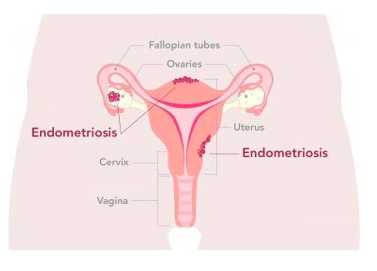
It affects an estimated 10% (190 million) of reproductive age women worldwide.
Commonly associated with pelvic pain and painful periods. It may cause pain during or after sex, affect your bowel or bladder or may lead to fertility problems.
It is not easy to diagnose it as there is no blood test, doesn’t always show up on scans and symptoms overlap with other conditions.
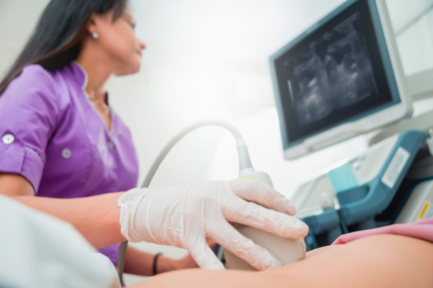
Some tests that may help
A normal ultrasound or MRI doesn’t rule out endometriosis but can help guide treatment options
At present, there is no known way to prevent endometriosis. Enhanced awareness, early diagnosis and quality health care may slow or halt the progression of the disease and reduce long-term symptoms, including possibly the risk of central nervous system pain sensitization. Currently there is no cure
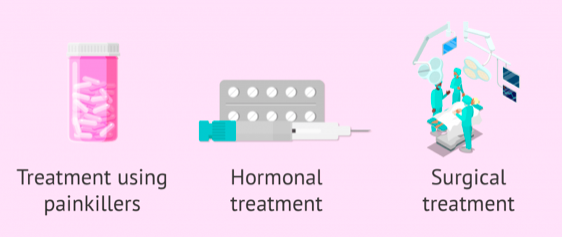
Treatment depends on:
Range from over-the-counter medicines (like paracetamol or ibuprofen) to prescription medicines.
Hormone treatment help control symptoms, reduce bleeding and pain by stopping the periods. They include
The type of surgery offered depends on individual situation. Most women can be treated by laparoscopy (key hole surgery) which requires very small cuts.
Depending upon the situation- sometimes a hysterectomy (removal of uterus) with or without removal of ovaries may be offered- this may not necessarily cure endometriosis but helps with other symptoms
Many women with endometriosis do conceive naturally, but some may require help.
There is currently no cure for endometriosis; access to early diagnosis and effective treatment of endometriosis is limited in many settings and treatment aims to control symptoms and limit long-term impacts.
*Reviewed by Dr Nikita Chauhan, MD (Obs & Gynae)
Learn more about us by visiting this About page.
You can contact us by clicking this link.